




The sudden rise of pedro paulo executive coaching is catching attention across boardrooms in the United States. From fast-scaling startups to Fortune 500 giants, leaders are quietly rethinking how they grow, adapt, and survive in a volatile economy. What’s driving this shift isn’t just performance pressure—it’s something deeper. A growing realization that traditional leadership models are no longer enough. Behind the scenes, executives are searching for clarity, resilience, and a competitive edge they can’t get from outdated playbooks.
In recent months, conversations around pedro paulo executive coaching have surged across LinkedIn, business forums, and leadership summits. CEOs and senior managers are sharing stories of transformation—teams becoming more agile, decisions becoming sharper, and workplace cultures shifting dramatically. The buzz isn’t accidental. It reflects a broader trend in executive development where personalized coaching is replacing generic training, and results are speaking louder than ever.
The Rise of Executive Coaching in Modern Leadership
The demand for executive coaching has grown steadily over the past decade, but 2025 has marked a turning point. According to industry estimates, the global coaching market is expected to exceed $25 billion within the next few years. In the U.S. alone, companies are allocating larger budgets to leadership development programs that deliver measurable outcomes. This is where pedro paulo executive coaching enters the spotlight as a tailored, results-driven approach.
Unlike traditional corporate training, executive coaching focuses on individual transformation. Leaders are no longer satisfied with one-size-fits-all solutions. They want strategies that address real-time challenges such as digital disruption, hybrid work environments, and employee burnout. The personalized nature of coaching allows executives to refine decision-making skills, improve emotional intelligence, and build stronger organizational alignment—all critical factors in today’s business landscape.
What Makes Pedro Paulo Executive Coaching Stand Out
One of the reasons pedro paulo executive coaching is trending is its distinctive methodology. Instead of focusing solely on performance metrics, it integrates mindset shifts, behavioral insights, and long-term leadership vision. This holistic approach resonates with leaders who are navigating complex and unpredictable environments. It’s not just about hitting targets—it’s about sustaining growth and leading with purpose.
Another key differentiator is the emphasis on accountability and measurable progress. Clients often report noticeable improvements within months, including enhanced communication skills, stronger team engagement, and clearer strategic direction. In a world where results matter more than promises, this approach has gained credibility quickly. It aligns with the evolving expectations of modern executives who demand tangible outcomes from every investment.
Why U.S. Leaders Are Embracing This Trend
Across the United States, companies are facing unprecedented challenges. From economic uncertainty to rapid technological change, leaders are under immense pressure to perform. This has created a fertile ground for solutions like pedro paulo executive coaching, which offer both strategic guidance and personal development. It’s no longer seen as a luxury—it’s becoming a necessity.
Moreover, the shift toward people-centric leadership has amplified the importance of coaching. Organizations are realizing that employee satisfaction, retention, and productivity are directly linked to leadership quality. Executives who invest in coaching are better equipped to inspire teams, manage conflicts, and foster innovation. As a result, adoption rates are climbing across industries, from tech and finance to healthcare and retail.
Key Benefits Driving the Popularity
The growing popularity of pedro paulo executive coaching can be attributed to a range of benefits that directly impact business performance. One of the most significant advantages is improved decision-making. Leaders gain clarity and confidence, enabling them to navigate complex situations with greater precision. This leads to faster, more effective outcomes in high-stakes environments.
Another major benefit is enhanced emotional intelligence. In today’s workplace, technical skills alone are not enough. Leaders must connect with their teams on a human level. Coaching helps develop empathy, active listening, and conflict resolution skills. These qualities are essential for building trust and maintaining a positive organizational culture, especially in remote and hybrid work settings.
The Role of Data and Measurable Results
Data-driven decision-making is no longer optional—it’s a requirement. One of the reasons pedro paulo executive coaching is gaining traction is its focus on measurable outcomes. Organizations are using performance metrics, feedback tools, and behavioral assessments to track progress. This ensures that coaching initiatives deliver real value rather than intangible benefits.
Studies have shown that companies investing in executive coaching can achieve up to a 7x return on investment. This includes improved productivity, higher employee engagement, and reduced turnover rates. These numbers are hard to ignore, especially for businesses looking to maximize efficiency in a competitive market. The ability to quantify success has made coaching a strategic priority rather than an experimental initiative.
How Technology Is Amplifying Coaching Impact
Technology is playing a crucial role in the evolution of executive coaching. Virtual sessions, AI-driven insights, and digital collaboration tools have made coaching more accessible and effective. Pedro paulo executive coaching leverages these advancements to deliver personalized experiences regardless of location. This is particularly important in a globalized business environment.
Additionally, digital platforms enable continuous learning and real-time feedback. Leaders can track their progress, access resources, and stay connected with their coaches at all times. This ongoing engagement ensures that development is not limited to scheduled sessions. Instead, it becomes an integral part of daily leadership practice, driving consistent improvement over time.
Challenges and Criticisms to Consider
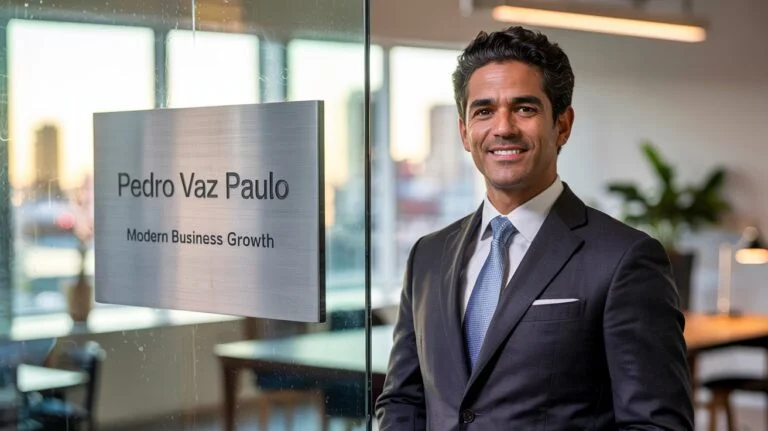
Despite its growing popularity, pedro paulo executive coaching is not without challenges. Some critics argue that the effectiveness of coaching depends heavily on the individual coach’s expertise and the client’s commitment. Without the right alignment, results may vary. This highlights the importance of choosing experienced professionals and setting clear expectations from the outset.
Another concern is the cost. High-quality executive coaching can be expensive, making it less accessible for smaller organizations. However, many experts believe that the long-term benefits outweigh the initial investment. As the industry evolves, more scalable and affordable options are likely to emerge, making coaching accessible to a broader audience.
Future Predictions for Executive Coaching
The future of executive coaching looks promising, with trends indicating continued growth and innovation. Experts predict that pedro paulo executive coaching will become even more integrated with organizational strategies. Companies will increasingly view coaching as a core component of leadership development rather than an optional add-on.
Furthermore, the integration of AI and data analytics is expected to enhance personalization and effectiveness. Coaches will have access to deeper insights, enabling them to tailor strategies with greater precision. As the business world becomes more complex, the demand for adaptive, forward-thinking leaders will only increase, solidifying the role of coaching in shaping the future of leadership.
Why This Trend Matters Right Now
The rise of pedro paulo executive coaching is more than just a passing trend—it reflects a fundamental shift in how leadership is defined and developed. In a world where change is constant, the ability to adapt, learn, and lead effectively is critical. Coaching provides the tools and support needed to navigate this complexity with confidence.
For businesses, this trend represents an opportunity to gain a competitive edge. For individuals, it offers a pathway to personal and professional growth. As more success stories emerge, the momentum behind executive coaching is likely to accelerate, making it a key focus area for organizations across the United States.
Final Thoughts and What You Should Do Next
The growing buzz around pedro paulo executive coaching is not just hype—it’s backed by real results, compelling stories, and measurable impact. As leadership challenges continue to evolve, so must the strategies used to address them. Coaching is proving to be one of the most effective tools for navigating this new reality.
If you’re a leader looking to stay ahead or an organization aiming to build stronger teams, now is the time to explore this trend. Don’t wait until challenges become overwhelming. Take the first step toward transformation today and discover how executive coaching can redefine your path to success.

